

Our Commitment to Nature
An dich als naturliebenden Curu-Kaffeetrinker,
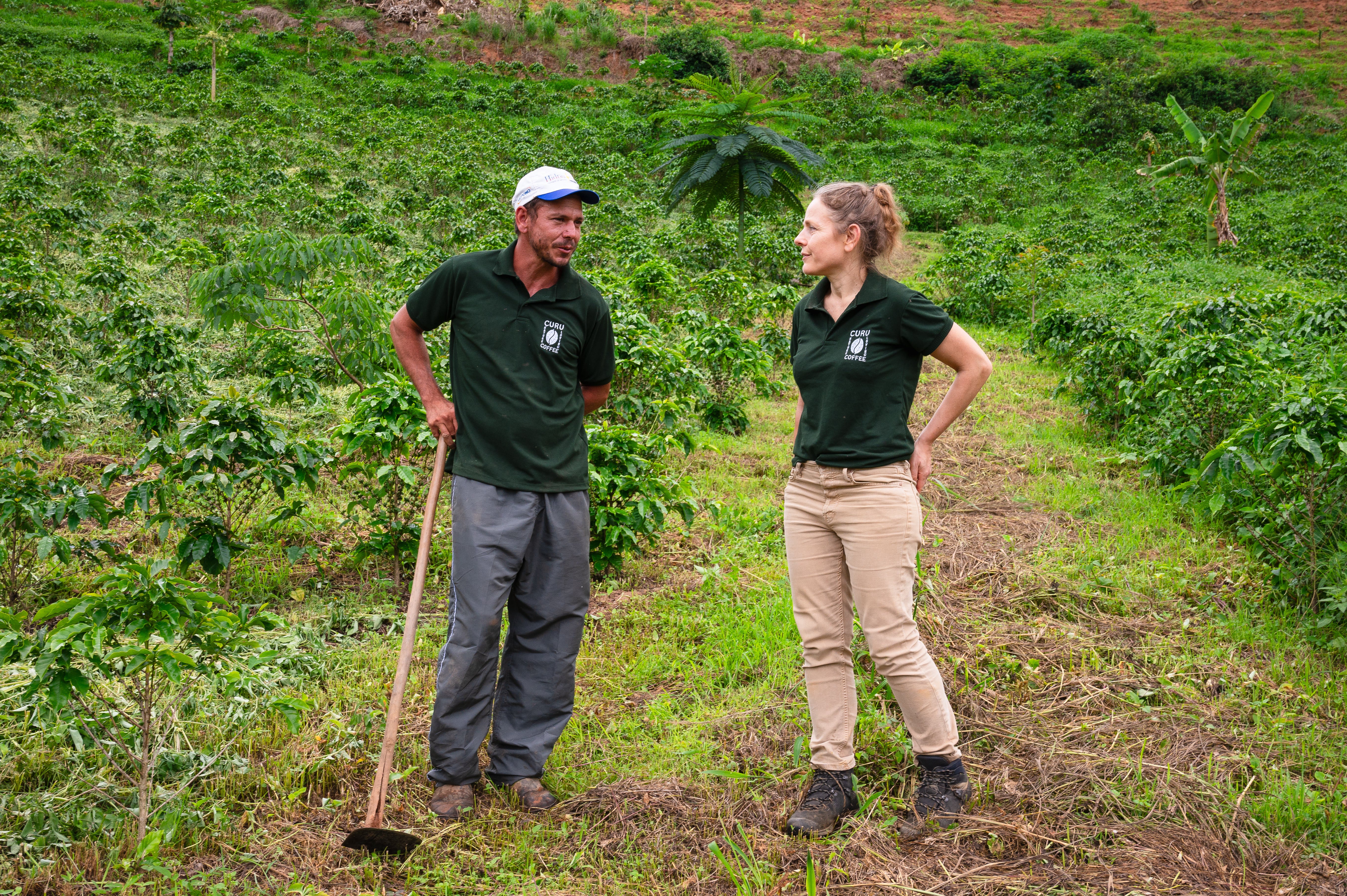
Dank Dir haben wir 2025 weitere 5,5 Hektar Kaffee-Monokultur in biodiverse Agroforste umgewandelt. Das kommt noch zu den 14 Hektar in den Jahren 2023 und 2024 hinzu. Gemeinsam schaffen wir Waldfarmen, die die erodierte Natur wieder aufbauen.
2025 war ein sehr schwieriges Jahr für Curu. Der Kaffeepreis, der im Rohstoffmarkt verankert ist, verdoppelte sich im Vergleich zu 2024. Die gestiegenen Kosten bedeuteten, dass wir einen wichtigen Partner verloren haben, unseren Hauptkunden, der die Preiserhöhung in seinem eigenen Geschäftsmodell nicht tragen konnte. Der Verlust unseres Schlüsselkundens bedeutet, dass wir für 2026 weniger Kaffee importieren und rösten als in Vorjahren. Das erhöht die Kosten pro Kilo, da wir Skaleneffekte verlieren – Lauro verlangt dasselbe, um seinen LKW von Simonésia nach Pedra Azul zu fahren, egal ob er 10 oder 50 Säcke Kaffee beladen hat. Die Kosten pro Kaffeebohne sind
also höher, je weniger wir transportieren. Das gilt für jeden Abschnitt der
Reise, die unsere Bohnen von unseren Farmen im Atlantischen Regenwald nach Berlin zurücklegen.
Bis Curu die Gewinnschwelle erreicht, sind wir auf finanzielle Unterstützung der vier Familien angewiesen, die Curu als Unterfangen möglich gemacht haben. Ende 2025 hatten diese Familien
eine Wahl: Aufgeben; oder weitermachen. Wir haben beschlossen, weiterzumachen.
Aber wir müssen unsere Preise erhöhen, um die höheren Kosten unserer sehr einzigartigen, naturfördernden Lieferkette widerzuspiegeln. Wir wissen, dass das eine große Bitte ist.
Wir bei Curu sind immer noch der Meinung, dass das Trinken einer Tasse Kaffee, die Landwirten hilft und Waldwirtschaften anbaut, der einzige Weg ist, wie jemand Kaffee trinken sollte.
Also machen wir weiter. Wir hoffen sehr, dass du auf dieser Reise mit uns bleibst und weiterhin Curu trinkst.
Wie du auf unserer Seite siehst, ist unser Röstkaffeebestand komplett abgenommen worden.
Wir warten derzeit auf unsere nächste Lieferung frischer Bohnen aus Brasilien.
Um künftig sicherzustellen, wie viel Kaffee unsere Curu Partnerfarmer zu uns senden, hilft
es uns sehr, wenn du im Voraus bestellst. Wir suchen dafür eine technische
Lösung, da unser derzeitiges Abo-Modell keine Vorbestellungen ermöglicht.
Wir freuen uns sehr, wenn du dich für unseren Newsletter anmeldest, dann
können wir dich auf dem Laufenden halten.
Herzliche Grüße und alles
erdenklich Gute für 2026,
Abigail
If agroforestry systems are so great – why aren't all coffees grown this way?

👉🏼 Risiko
Bäuer:innen leben von ihrem Land, daher liegt der Fokus darauf, die Einnahmen zu maximieren und die Kosten zu minimieren. Monokulturen haben bislang die besten Renditen erzielt. Agroforstwirtschaft erfordert mehr Arbeit – sowohl auf dem Feld als auch in der Vermarktung der Produkte – und ist finanziell oft weniger lukrativ als Monokulturen.#
👉🏼 Mehr Komplexität
Das Zusammenspiel von Bäumen, Sträuchern und Feldfrüchten erfordert neues Wissen und birgt neue Herausforderungen. Welche Pflanzen vertragen sich? Gefährdet eine Kultur die andere? Wie gestaltet sich das Verhältnis zwischen Kosten und Erträgen für verschiedene Produkte?
👉🏼 Schwache Märkte
In Regionen mit Kaffeemonokulturen holen Einkäufer den Kaffee direkt bei den Plantagen ab. Für andere Produkte müssen die Bäuer:innen hingegen erst Abnehmer finden und die Ware selbst ausliefern. Abnahme und Preise für Agrarprodukte schwanken stark und sind meistens unsicher.
👉🏼 Fehlende Unterstützung
Es fehlen finanzielle Anreize und praktische Beratungsangebote. Bürokratische Vorgaben, wie die Pflicht, neu gepflanzte native Bäume zu registrieren, verlangsamen den Übergang zusätzlich.
💡 Unser Ansatz
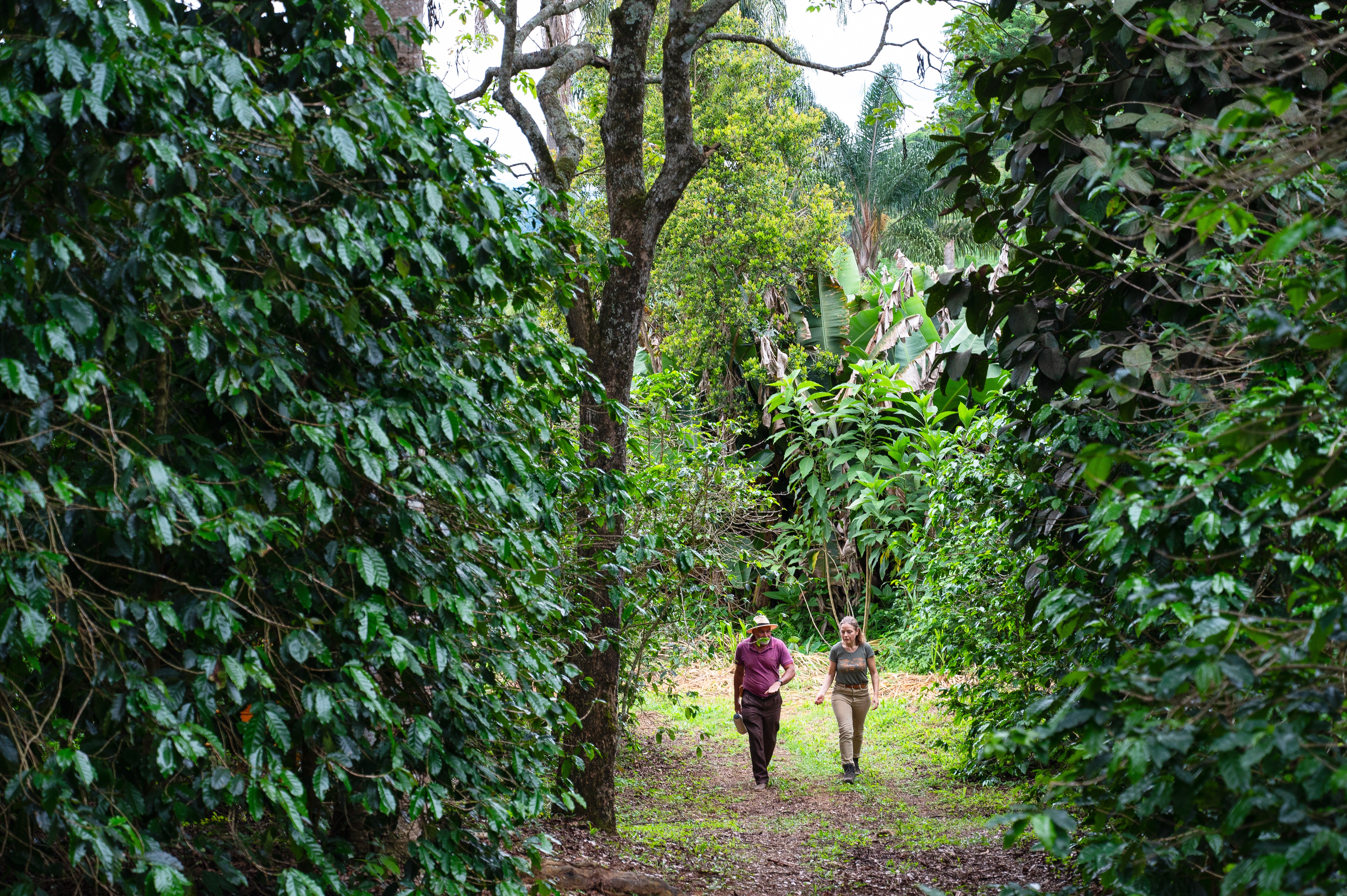
Wir setzen auf Agroforstsysteme mit gemischten heimischen Bäumen, da sie der stark degradierten Natur helfen, sich zu erholen, und langfristig den Kaffeebäuer:innen zugutekommen, denn Agroforste helfen gegen die Auswirkungen des Klimawandels.
More on LinkedIn